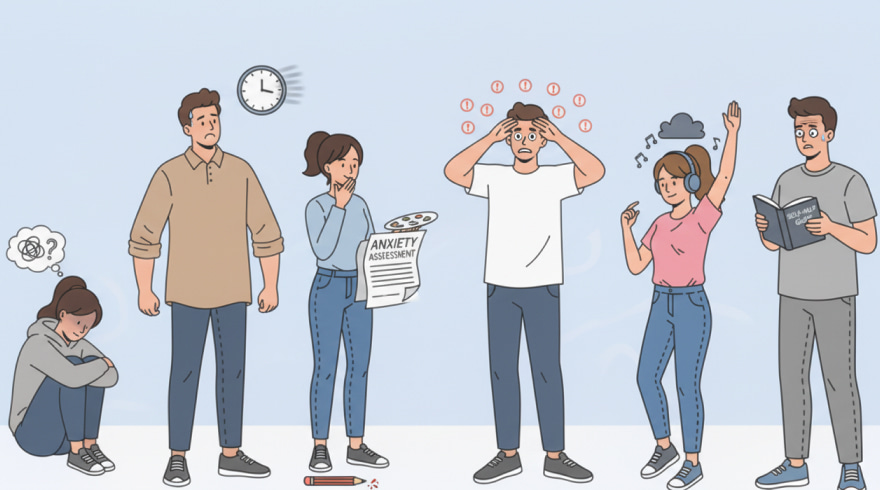
Comprehensive Guide to Evidence-Based Generalized Anxiety Evaluation
- 27 November 2025
What an Anxiety Evaluation Is and Why It Matters
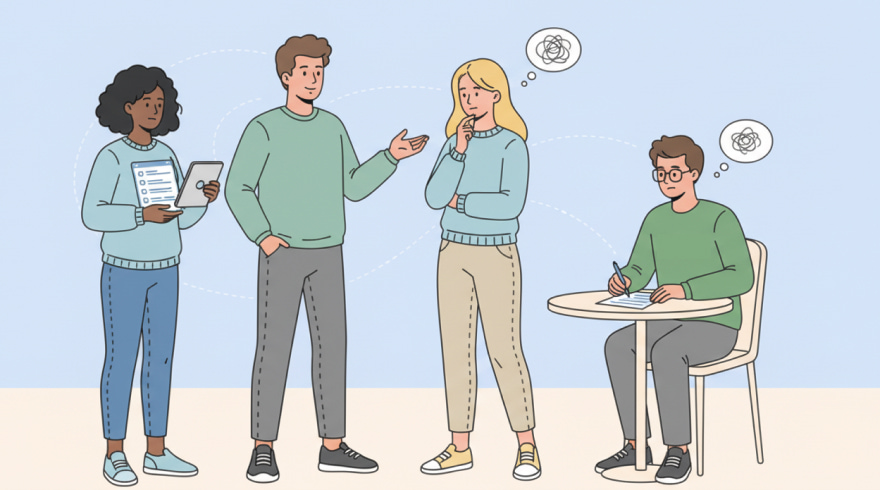
Anxiety doesn’t look the same for everyone, and that’s exactly why evaluations rely on structured methods rather than gut feelings. Clinicians and researchers have developed validated tools to gauge worry intensity, physical arousal, and impairment across work, school, and relationships. When these measures are applied carefully, they help distinguish everyday stress from a diagnosable condition, guiding people toward tailored support. The result is a clearer map of symptoms over time, not a rushed label, and a path to measurable relief through therapy, lifestyle changes, and medication when appropriate.
Beyond treating immediate distress, a rigorous process can illuminate patterns such as sleep disruption, muscle tension, rumination, and avoidance behaviors. In many care settings, professionals incorporate a generalized anxiety disorder diagnostic test into a broader conversation that covers history, triggers, and protective factors. This approach also reduces bias, because standardized scores hold everyone to the same benchmark rather than relying on subjective impressions.
Reliable evaluations also consider context like medical conditions, substance use, and family dynamics that may influence symptoms. For that reason, clinicians often include collateral information and structured interviews alongside an assessment generalized anxiety disorder workflow to ensure the whole picture is captured. By integrating data sources, practitioners can track progress and adjust interventions with confidence.
How Anxiety Measures Work: Tools, Scoring, and Interpretation
Modern anxiety measurement blends quick self-report forms with clinician-rated scales to capture both inner experiences and observable effects. Many people start with a brief instrument that is easy to understand and can be repeated to track change. In primary care or telehealth, a practitioner might pair a short generalized anxiety disorder test with targeted follow-up questions to verify severity and functional impact.
| Tool | Primary focus | Typical time |
|---|---|---|
| GAD-7 | Core worry symptoms and functional impairment | 2–3 minutes |
| Beck Anxiety Inventory (BAI) | Somatic arousal and physiological symptoms | 5–10 minutes |
| Penn State Worry Questionnaire (PSWQ) | Excessive and uncontrollable worry trait | 5–7 minutes |
| Structured Clinical Interview | Diagnostic confirmation and differential diagnosis | 20–45 minutes |
Short forms are intentionally concise so they can be used repeatedly to monitor trends without creating survey fatigue. After initial scoring, clinicians look at symptom clusters, time course, and functional impact before recommending next steps. If a form’s items don’t fully capture someone’s experience, a practitioner may supplement with a generalized anxiety disorder questionnaire that digs deeper into worry patterns across settings. This layering keeps the process both efficient and comprehensive.
Scores are only as meaningful as the clinical judgment that interprets them, which is why standardized cutoffs are combined with individualized context. For example, external stressors might temporarily elevate results even when coping remains strong. To avoid tunnel vision, clinicians situate findings within a broader generalized anxiety disorder assessment framework that also screens for mood, trauma, sleep, and medical contributors. That cross-checking improves accuracy and reduces the risk of over- or under-diagnosis.
Benefits, Accuracy, and Limitations to Keep in Mind
Thoughtful measurement brings clarity to what can otherwise feel nebulous and overwhelming. By translating subjective distress into numbers and patterns, people can see progress and setbacks with greater objectivity. In low-stigma environments like primary care, a friendly format can open the door to conversations that might otherwise feel daunting. Many clinics also offer a brief generalized anxiety disorder quiz as a low-barrier starting point that encourages people to seek help early rather than waiting until symptoms escalate.
- Standardized tools allow apples-to-apples comparisons over time.
- Scores can help align treatment goals with what matters most to you.
- Repeated use shows whether therapy or medication is making a measurable difference.
- Context remains critical, since numbers alone never tell the full story.
Even excellent instruments can miss nuance, so results should always be interpreted in light of culture, language, neurodiversity, and co-occurring conditions. Clinicians often pair brief forms with interviews and rule-outs to avoid conflating panic, trauma, or thyroid issues with worry-driven distress. As a first pass, many healthcare teams use a generalized anxiety disorder screening test to quickly flag concerning patterns before moving into a more detailed evaluation. This stepwise process balances speed with depth so people get the right level of care.
Preparing for Testing and Navigating Next Steps
Good preparation can make the experience faster, calmer, and more accurate. Before your appointment, jot down examples of how worry affects sleep, focus, relationships, and daily routines. It also helps to gather a brief medical history, medications, and notable stressors from the past year. During a clinical visit, a provider may choose to test generalized anxiety disorder severity while also screening for depression, substance use, or trauma exposure to ensure no key drivers are overlooked.
- Bring a snapshot of your typical week, including sleep schedules and caffeine use.
- Note peak worry times and what tends to make them better or worse.
- Ask how often you’ll re-take measures to monitor progress.
- Clarify when referrals, therapy, or medication would be recommended.
After scoring, clinicians translate results into practical action such as psychoeducation, cognitive behavioral strategies, lifestyle adjustments, or medication discussions. Some people prefer digital pathways when scheduling or access is limited, and that’s increasingly feasible. When used thoughtfully, a secure platform can complement office visits and keep momentum between sessions. Many care teams now integrate a generalized anxiety disorder online assessment into blended models so monitoring remains consistent and convenient.
Special Considerations for Adolescents and Families
Worry in younger people often presents differently than in adults, especially when school pressures, social media, and identity development collide. Careful listening and age-appropriate language make a big difference in how accurately symptoms are described. Parents, teachers, and caregivers can offer valuable context about attendance, grades, friendships, and sleep patterns. In this age group, clinicians tailor instruments and communication styles to meet the developmental moment for generalized anxiety disorder teens who may struggle to articulate internal experiences.
When selecting tools, providers often adjust reading level, shorten forms, and add caregiver input to round out the picture. Because academic and social milestones shift quickly in adolescence, repeating measures helps track change across semesters and seasons. Family coaching can support routines around sleep, screen time, and exercise that buffer against chronic worry. To ensure relevance and sensitivity, teams may incorporate a generalized anxiety disorder assessment teens protocol that blends self-report, caregiver perspectives, and clinician observations into one coherent plan.
FAQ: Common Questions Answered
Is an anxiety evaluation the same as a diagnosis?
Not exactly, although they are closely related. An evaluation gathers data through standardized tools and interviews, and a diagnosis is made when the collected evidence meets clinical criteria. The process aims to be collaborative and transparent so you understand what your scores mean and what options follow. Providers also revisit findings after treatment starts to confirm that the initial impression remains accurate as symptoms evolve.
How long does the process take?
Many brief forms take only a few minutes, with a longer conversation lasting 20–45 minutes depending on complexity. Follow-up visits may be shorter because you’re primarily tracking change rather than re-exploring history. If other conditions are suspected, additional screening adds time but improves accuracy. The overall goal is efficiency without sacrificing thoroughness.
Can I complete parts of the evaluation at home?
In many clinics, yes, especially when scheduling is tight or travel is difficult. Digital tools can securely collect responses before your appointment so the visit focuses on interpretation and planning. For symptom-level granularity, a generalized anxiety disorder symptoms questionnaire can be paired with daily check-ins to visualize trends over weeks. This hybrid approach frees up session time for skill-building and problem-solving.
What if my scores seem high but I feel functional?
That contrast can happen, and it’s worth discussing openly. Some people excel at masking distress or pushing through discomfort, yet still benefit from strategies that reduce strain on the body and mind. Your provider will look at both the numbers and your lived experience to co-create a balanced plan. Tracking over time will show whether interventions maintain your functioning while easing internal tension.
Will testing automatically lead to medication?
No, measurement is a guide, not a mandate. Many people start with psychotherapy, lifestyle changes, or skill-based programs and do very well without prescriptions. If medication is considered, it typically follows a shared decision process weighing benefits, risks, and preferences. Repeated measurements then help you and your clinician see whether the choice is delivering meaningful relief.
Latest News
-
![Social Anxiety Test: A Comprehensive Guide to Evidence‑Based Screening]()
- 26 November, 2025
-
![Do I Have Anxiety Disorder Quiz: A Complete Guide to Smarter Self-Checks]()
- 25 November, 2025
-
![The GAD Anxiety Questionnaire: A Comprehensive Guide to Scoring, and Benefits]()
- 24 November, 2025