Social Anxiety Test: A Comprehensive Guide to Evidence‑Based Screening
- 26 November 2025
Understanding Screening, Purpose, and Benefits
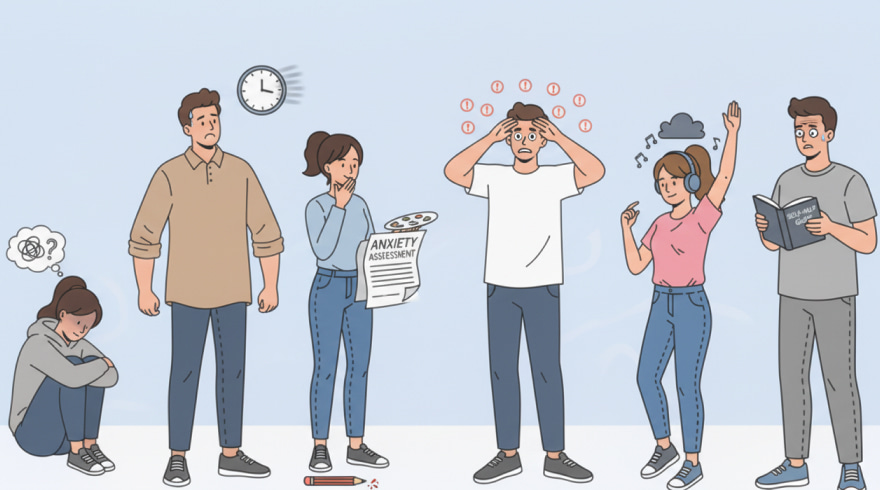
Feeling tense in social spaces can be confusing, especially when everyday interactions bring a surge of fear, self‑criticism, or avoidance. For some people, these reactions interfere with school, work, dating, and even simple errands, and a structured screening can clarify what is happening. Many readers find that the social anxiety disorder test provides a safe first step that translates vague unease into clearer information they can act upon. With a private format and plain‑language items, it can spotlight how often situations trigger distress and how much those moments limit daily life.
The value of a screening is not only about labeling, but also about charting a path forward that feels achievable and compassionate. In clinical settings, an assessment social anxiety disorder process will contextualize scores, consider co‑occurring issues, and explain how targeted strategies can reduce fear while building confidence. A good screening helps you notice patterns, like the difference between performance nerves and persistent dread, and it can validate experiences that were previously dismissed as “just shyness.”
Another benefit is efficiency: standardized items quickly sift through a broad range of social situations, revealing themes you might overlook in a casual conversation. The results can guide self‑help choices, inform a conversation with a professional, or simply confirm that it’s okay to seek support. Approached with curiosity rather than judgment, a structured screen acts like a compass, pointing toward practical next steps while honoring your pace.
How Screening Tools Work, What They Measure, and How to Use Results
Modern instruments translate lived experience into measurable signals using carefully validated questions and scoring rubrics. When people respond honestly, a well‑designed social anxiety disorder questionnaire captures frequency, intensity, and impairment across multiple scenarios such as meeting new people, speaking up in groups, or eating in public. The items are designed to be concrete, so you can picture situations as you answer rather than guessing what the question means.
| Feature | Why it matters |
|---|---|
| Symptom frequency scale | Shows how often anxiety appears across everyday situations |
| Severity anchors | Clarifies impact on functioning, not just feelings |
| Situation variety | Distinguishes performance stress from broader social fear |
| Cutoff guidance | Flags when follow‑up with a clinician may be helpful |
Score interpretation should balance numbers with context, including duration of difficulties and the role of avoidance. In clinical care, a structured social anxiety disorder assessment integrates screening results with an interview, functional history, and differential considerations such as panic, depression, autism spectrum traits, or trauma‑related triggers. That blended view prevents over‑pathologizing and supports a tailored plan that fits your goals and values.
Some readers appreciate a lighter entry point before a full evaluation, especially when motivation is fragile. In that case, a brief social anxiety disorder quiz can build momentum by highlighting specific moments where skills practice, exposure steps, or cognitive techniques would likely help. Rather than treating a score as destiny, you can use it as a snapshot: a starting line for change, not a verdict on who you are.
- Answer items based on the past month to improve accuracy and relevance.
- Note which situations you avoid entirely, since avoidance can mask severity.
- Revisit the same tool after a few weeks to monitor change over time.
Age‑specific Considerations: Youth, Parents, and Educators
Developmental stage shapes how social fear appears, so context matters when interpreting results and planning support. During middle and high school, academic presentations, lunchroom dynamics, and extracurricular tryouts can amplify self‑consciousness, making practical accommodations and skills coaching especially valuable. For adolescents, the phrase social anxiety disorder teens points to nuances like identity formation, peer status sensitivity, and increased online exposure that can intensify evaluative fears.
Caregivers and teachers can play a constructive role by normalizing help‑seeking, modeling gradual exposure, and reducing punitive responses to avoidance while progress builds. In health education, the topic of teens social anxiety disorder should be framed with empowerment, emphasizing that courage grows through small, repeatable steps and that setbacks are data, not failure. Tools that translate feelings into charts or trackers can make progress visible and motivating.
For younger students, social stress may look like stomachaches before school, silence in class, or tears before birthday parties, and screening should use age‑appropriate language and examples. Pediatric providers often recommend parent‑assisted formats, and, when appropriate, teacher input improves accuracy by adding observations from the classroom. When screening is needed in primary care, a carefully worded child social anxiety disorder test can surface worries that kids struggle to articulate directly, paving the way for gentle exposure strategies and supportive routine changes.
- Pair skills practice with meaningful rewards to reinforce bravery.
- Coordinate among home, school, and extracurricular settings for consistency.
- Celebrate small wins, such as raising a hand once or greeting one peer.
Interpreting Scores, Protecting Privacy, and Choosing Next Steps
Once you have results, the next move is to map findings to practical actions, from self‑guided exercises to professional care. For privacy and convenience, many people prefer digital options first, especially when embarrassment or logistics make in‑person visits hard to arrange. In that case, a carefully vetted social anxiety disorder online questionnaire can provide a confidential snapshot and a personalized list of resources tied to your answers.
Regardless of format, the key is to translate insights into action while keeping efforts sustainable and kind. After reviewing your results, you might identify two situations to practice each week and schedule a brief check‑in with a trusted person to stay accountable. If you decide to visit a clinician, bringing printouts from a reputable test social anxiety disorder can streamline the appointment and make the conversation easier to start.
Remember that progress rarely moves in a straight line, and that workable plans respect your limits while nudging you toward valued activities. With steady practice, supportive relationships, and flexible tools, the discomfort that once felt paralyzing can become manageable, opening space for connection, purpose, and joy.
FAQ: Quick Answers to Common Questions
Is a screening the same as a diagnosis?
No, a screening is a preliminary snapshot that suggests whether further evaluation might help, whereas a diagnosis requires a comprehensive clinical assessment. Think of a screening as a pointer, not a label. If scores are elevated and distress is persistent, a licensed professional can provide a full evaluation and treatment options.
How long do tests take and what do they measure?
Most brief tools take 5–10 minutes and focus on the frequency, intensity, and impact of social fears across everyday situations. In many cases, a social anxiety disorder self test also asks about avoidance and safety behaviors, because these habits often maintain anxiety by blocking corrective learning. Short forms are good for monitoring, while longer forms give more diagnostic detail.
Can I use results to start self‑help right away?
Yes, many people begin with paced exposure, cognitive restructuring, and attention‑training exercises that they tailor to their triggers. If distress is high or functioning is impaired, combining self‑help with professional guidance is usually more effective. Track changes weekly to see which strategies move the needle.
What should parents do after a positive screen?
Stay calm, validate feelings, and schedule a discussion with a pediatric or school‑based clinician. Ask about skills‑based interventions, parent coaching, and school supports such as presentation alternatives or stepwise goals. Keep communication open and celebrate effort, not perfection.
Are online tools accurate and secure?
Reputable instruments show strong reliability and validity, but no tool is perfect, and context matters. Choose sources that explain their scoring and privacy policies, and avoid sites that collect unnecessary personal data. When in doubt, discuss results with a licensed professional who can interpret them in full context.
Latest News
-
![Comprehensive Guide to Evidence-Based Generalized Anxiety Evaluation]()
- 27 November, 2025
-
![Do I Have Anxiety Disorder Quiz: A Complete Guide to Smarter Self-Checks]()
- 25 November, 2025
-
![The GAD Anxiety Questionnaire: A Comprehensive Guide to Scoring, and Benefits]()
- 24 November, 2025