

What the Gad Questionnaire Is and Why It Matters
Feeling keyed up, restless, and trapped in loops of worry can be exhausting, and it often blurs the line between everyday stress and a clinical condition. Reliable screening tools bring clarity by translating vague discomfort into concrete patterns that people can recognize and discuss with professionals. In that spirit, the GAD anxiety questionnaire offers a simple set of items that captures the frequency and intensity of hallmark symptoms in a consistent way. This structure helps users notice trends, such as how often tension, irritability, and fatigue appear during an average week.
Unlike a casual self-check, a standardized inventory draws on decades of psychometric research to align symptoms with recognized diagnostic frameworks. That is why the generalized anxiety disorder questionnaire is frequently used in primary care and counseling settings to guide initial conversations and monitor change over time. In practical terms, the general anxiety disorder questionnaire creates a shared reference point, so scores can be compared across visits and paired with personalized goals for sleep, activity, and coping strategies. As a result, individuals gain a clearer picture of progress while care teams stay aligned on next steps.

What an Anxiety Disorder Test Actually Measures
Every question on a well-known GAD scale aims to capture a specific dimension of worry, such as excessive apprehension, muscle tension, or trouble relaxing. Frequency-based response options help distinguish transient stress from persistent impairment, which is essential when prioritizing care. In clinical intake flows, the generalized anxiety disorder diagnostic test label often describes brief, validated instruments used to flag the likelihood of clinically significant symptoms before a full evaluation takes place.
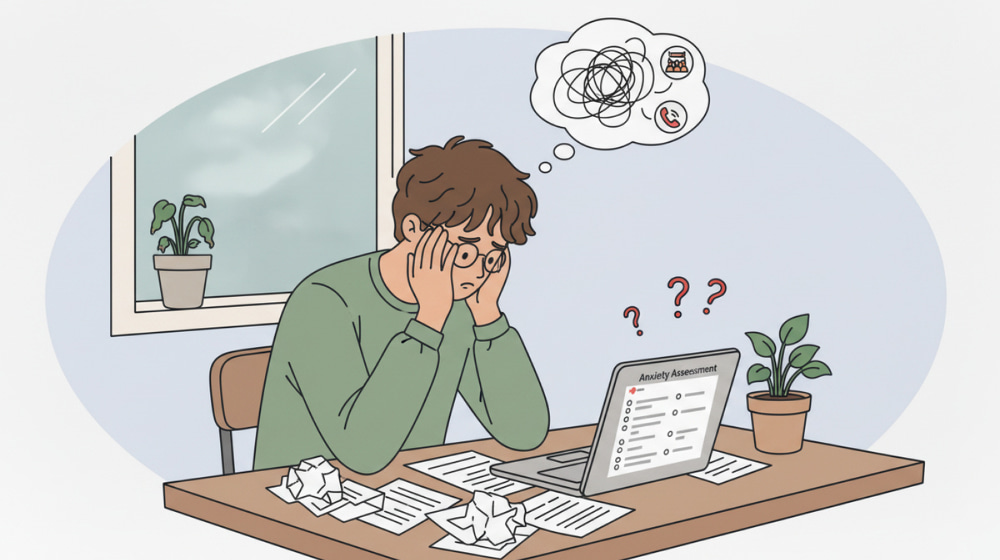
Strong reliability and validity mean that the same person taking a measure on different days, under similar conditions, should receive similar results. That consistency is why the generalized anxiety disorder test remains a staple in primary care, telehealth platforms, and mental health clinics that value quick yet meaningful screening. When paired with clinical interviews, the scores guide the conversation rather than serve as the sole basis for treatment decisions. Another strength is sensitivity to change, because people want to know whether breathing exercises, therapy, or medication are helping. In this context, the general anxiety disorder test helps track progress over weeks by highlighting reductions in restlessness, concentration problems, and rumination as treatment unfolds. This feedback loop is motivating and ensures that care plans remain responsive to real-world experiences.
- 1Match the tool to the primary concern you want to understand.
- 2Repeat screenings at consistent times to observe trends accurately.
- 3Pair scores with concrete behavior changes and follow-ups.
The Power of GAD Test
Screening should be simple, fast, and actionable, especially when time with a professional is limited. A brief inventory turns a complex emotional picture into an interpretable snapshot, encouraging earlier help-seeking. In stepped-care models, the assessment generalized anxiety disorder supports triage by identifying people who may benefit from self-guided resources versus those who need structured therapy soon.

Monitoring Progress With Anxiety Disorder Assessments
Beyond triage, many people prefer to monitor their well-being proactively, much like tracking exercise or sleep. For that routine use, the generalized anxiety disorder assessment offers a common language to observe trends, celebrate small gains, and notice warning signs before setbacks accumulate. Paired with digital reminders, gentle check-ins can sustain healthy habits and reinforce coping skills learned in treatment.

Organizations also need consistent processes that align with quality measures and care pathways. In primary care networks and campus counseling centers, an anxiety disorder assessment embeds seamlessly into intake forms, follow-up visits, and outcome dashboards to maintain a high standard of care. This system-wide consistency helps teams coordinate referrals, evaluate program impact, and ensure equitable access to interventions.
- 1Short completion time keeps friction low for busy users.
- 2Clear scoring clarifies next steps and supports shared decision-making.
- 3Repeatable format enables progress monitoring across weeks and months.
- 4Actionable insights point toward skills training, therapy, or medical review.
Interpreting Scores and Taking Action
When a person completes a GAD scale, the summed score maps onto ranges that suggest typical levels of severity. Interventions are then matched to these ranges, from self-guided strategies to comprehensive clinical care. In many online portals, an anxiety disorder test score is also paired with brief education about symptoms and safety planning so results are immediately meaningful. With that context, it becomes easier to decide whether to self-manage, schedule a consultation, or escalate support quickly.
| Score Range | Severity Label | Typical Next Step |
|---|---|---|
| 0–4 | Minimal | Maintain healthy routines; recheck if symptoms increase. |
| 5–9 | Mild | Try self-guided tools, stress management, and sleep hygiene; monitor weekly. |
| 10–14 | Moderate | Consider brief therapy or coaching; review lifestyle factors and supports. |
| 15–21 | Severe | Seek professional evaluation promptly; discuss therapy and medical options. |
Context always matters, because scores reflect a snapshot rather than an entire story. Life events, physical health, and medication changes can influence how symptoms appear and how they are reported on any given day. For many people, an anxiety disorder quiz result becomes more useful when interpreted alongside functional indicators like productivity, social engagement, and sleep regularity. That broader lens helps personalize decisions and avoid one-size-fits-all recommendations. Self-reflection after completing a scale can also uncover triggers that compound worry and restlessness. Journaling, habit stacking, and scheduled wind-down routines often amplify the benefits of insight by turning awareness into action. For those seeking a simple starting point, a do I have anxiety disorder quiz can open the door, after which a conversation with a clinician refines the picture and outlines a clear pathway forward. With that partnership, small, consistent steps add up.
Worry is not a monolith, and different anxiety presentations respond best to targeted strategies. Generalized anxiety involves persistent apprehension across many life domains, while social anxiety centers on social scrutiny and performance fears. To explore concerns focused on social situations, a person might use a social anxiety disorder test that emphasizes interactions, avoidance, and fear of judgment to ensure the right issues are highlighted. Selecting the correct screening tool streamlines care and avoids unnecessary detours.

Tailored Anxiety Assessments for Coexisting Conditions
Because symptoms can overlap, clarifying the primary pattern is essential before building a plan. In practice, an assessment of social anxiety disorder emphasizes triggers like public speaking, meeting new people, or eating in public, which can look quite different from generalized restlessness and worry. When both patterns are present, clinicians often sequence interventions, starting with the most impairing signs to generate early wins.
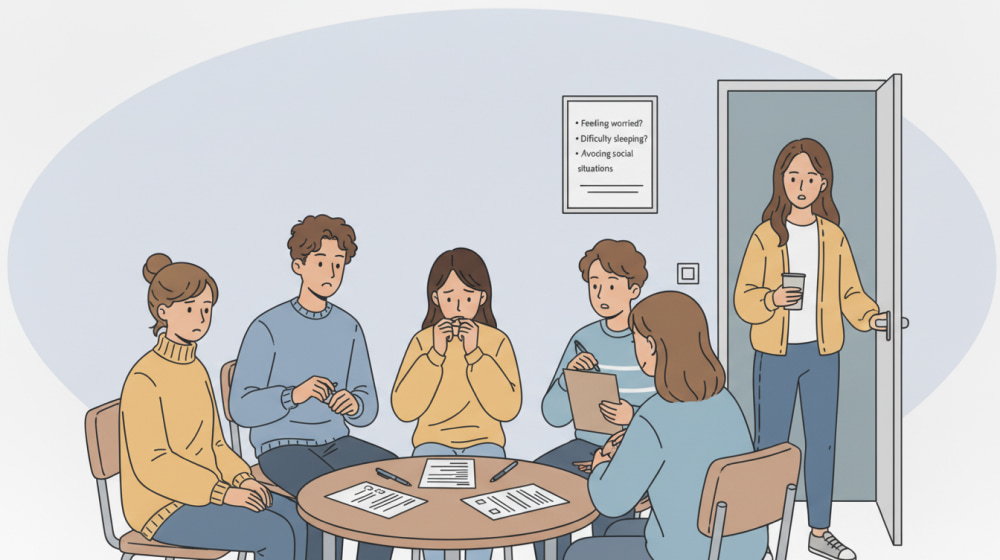
Coexisting conditions can further complicate the clinical picture, which is why careful intake matters. Sleep problems, substance use, and chronic pain may magnify irritability and cognitive fatigue, changing how people respond to screening items. In integrated care settings, comprehensive assessment anxiety disorders processes includes brief risk checks and functional questions to shape a customized plan that fits the person’s life. That holistic approach improves outcomes and satisfaction.
Frequently Asked Questions
- How accurate is a brief anxiety screening for everyday use?
Validated inventories are highly reliable for identifying patterns consistent with elevated worry, but they are not the same as a formal diagnosis. Accuracy improves when the same conditions are used for repeated checks, and when results are discussed with a professional who can consider health history, medications, and current stressors. As a rule of thumb, treat the score as a strong guidepost that points toward next steps rather than a definitive conclusion.
- Can I use a short questionnaire to track my progress over time?
Yes, short instruments are ideal for progress tracking because they are quick and repeatable. Choose a consistent day and time, keep context similar, and note meaningful life events that could influence responses. By pairing scores with a simple journal, trends become clearer and help you and your clinician adjust strategies efficiently.
- What should I do if my score suggests moderate or severe symptoms?
Consider scheduling a timely conversation with a licensed professional who can provide a comprehensive evaluation and discuss evidence-based options. In the meantime, prioritize sleep hygiene, reduce stimulants, and practice grounding techniques to ease acute discomfort. If you experience thoughts of self-harm or a crisis, reach out to emergency resources or a crisis line immediately.
- How often is it reasonable to repeat a screening?
Weekly or biweekly check-ins work well for most people, balancing insight with practicality. If you are starting a new treatment or have experienced a major life change, more frequent checks may be useful temporarily. Consistency is key, so try to replicate timing and setting to make comparisons meaningful.
- Will a score alone determine my treatment plan?
No, a responsible plan integrates multiple data points, including clinical interviews, functional goals, and personal preferences. A score helps prioritize topics and reveal change over time, but it should be combined with shared decision-making. This collaborative approach ensures the plan fits your values and daily realities.
The Latest News
-
![Comprehensive Guide to Evidence-Based Generalized Anxiety Evaluation]()
- 27 November, 2025
-
![Social Anxiety Test: A Comprehensive Guide to Evidence‑Based Screening]()
- 26 November, 2025
-
![Do I Have Anxiety Disorder Quiz: A Complete Guide to Smarter Self-Checks]()
- 25 November, 2025


Please Note
This website (anxietydisorderassessment.com) is not an official representative, creator or developer of this application, or product. All the copyrighted materials belong to their respective owners. All the content on this website is used for educational and informative purposes only.