A Compassionate Guide to Understanding Teen Social Anxiety: Insights and Support, and Practical Help
- 21 November 2025
What Social Anxiety Looks Like in Real Life
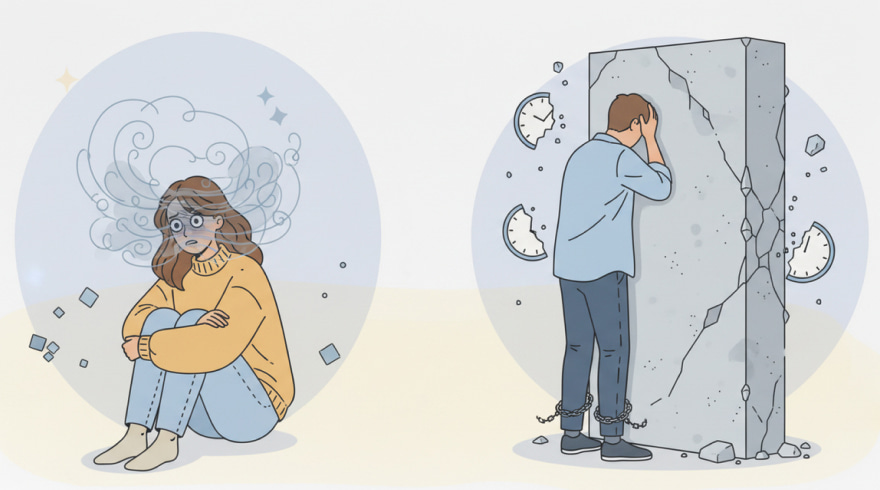
Shy moments happen to nearly everyone, yet persistent fear about judgment can feel all‑consuming for a young person. Daily life may become a maze of calculations: who might be watching, what could go wrong, how to avoid embarrassment, and whether escape is possible. The result is not just nervousness but a powerful loop of anticipatory dread, physiological arousal, and self‑critique that can drain energy for schoolwork, friendships, and hobbies.
Many families search for information on social anxiety disorder in teens because they see how much effort it takes just to attend classes, answer a question, or eat lunch in a cafeteria. A teen might rehearse phrases repeatedly, avoid eye contact, or skip events entirely to dodge imagined humiliation. Over time, the coping strategy of avoidance can shrink the world, narrowing opportunities to experiment, learn, and grow. That contraction often increases self‑doubt, feeding the very fears that started the difficult cycle. Caring adults and peers can be pivotal by modeling validation, staying patient, and removing pressure to “perform.”
Progress rarely follows a straight line, and that’s okay. Across weeks and months, small wins stack up: texting a new classmate, attending a club meeting, or asking a clarifying question in class. These steps deserve recognition because they require courage and self‑regulation. Supportive communities, clear routines, and compassionate coaching help teens build skills gradually so confidence expands with experience rather than forced exposure that backfires.
- Focus on tiny, repeatable actions that feel safe enough to try.
- Practice self‑talk that is specific, kind, and believable.
- Create predictable social scripts for tricky moments like greetings or group work.
- Celebrate effort, not outcomes, to reinforce learning and resilience.
Recognizing Patterns: Signs, Triggers, and Daily Challenges
Spotting patterns early enables families and schools to tailor support. Watch for ritualized avoidance, long recovery times after social demands, and intense worry long before an event begins. Physiological signals often accompany these moments: racing heart, shaky hands, blushing, stomach discomfort, muscle tension, and a sudden blank mind.
Clinicians often track clusters that describe anxiety disorder symptoms in teens in a precise, behavior‑linked way. Examples include persistent fear of negative evaluation, safety behaviors (like rehearsing lines or sitting near exits), and rigid rules such as “never speak first.” Triggers differ: answering questions aloud, small talk with unfamiliar classmates, eating in public, or being the center of attention during presentations. Recovery strategies can be designed to match each trigger, so skill‑building feels purposeful rather than overwhelming.
When peers misunderstand, stereotypes about teens social anxiety disorder can grow, making school interactions tougher. Education changes the narrative, shifting from “unfriendly” or “unmotivated” to “managing high stress under social demands.” Teachers can offer alternatives to on‑the‑spot speaking, provide discussion prompts beforehand, and create opt‑in participation plans that reward engagement without forcing it. Families can coordinate with counselors, track progress, and adjust expectations across the semester to reduce cumulative pressure.
| Situation | Inner Experience | Helpful Response |
|---|---|---|
| Being called on unexpectedly | Mind goes blank, heat rush, “Everyone will notice mistakes.” | Pre‑agreed hand signals, option to pass, submit written response after class. |
| Group projects with unfamiliar peers | Fear of judgment, worry about introductions, urge to avoid. | Role cards, structured checklists, brief scripted intros, rotating low‑stakes tasks. |
| Eating in the cafeteria | Self‑consciousness, concern about being watched. | Start with quiet corner, buddy system, short timed exposures that build tolerance. |
- Pair skills practice with recovery time to prevent exhaustion.
- Use rating scales to track fear before, during, and after activities.
- Gather wins in a shared log so progress is visible and motivating.
Why It Happens: Brain, Body, and Environment
The social brain is exquisitely tuned to threat detection, especially during adolescence when sensitivity to peer evaluation naturally spikes. Genetics shape temperament, and life experiences shape expectations, so a hyper‑alert nervous system may learn to predict danger from subtle cues. Sleep variability, chronic stress, and sensory load can amplify vigilance, making ordinary situations feel perilous.
Population studies show that rates for anxiety disorders teens correlate with chronic stress exposure and sleep debt. Family migration, identity‑based discrimination, academic overload, and pandemic disruptions can compound vulnerability. In some students, perfectionism functions as armor: if performance is flawless, maybe no one will criticize. Yet perfectionism is brittle; it increases pressure while limiting opportunities to practice tolerating imperfection, which is essential for social growth. Thought patterns matter, too: catastrophizing, mind‑reading, and all‑or‑nothing thinking rapidly escalate anxiety when stakes feel high.
Protective factors are equally real. Warm relationships, consistent routines, and gentle skill‑building act as buffers that strengthen regulation and self‑efficacy. Schools can normalize short reflective breaks, teach breath‑based grounding, and design classroom participation policies that include multiple formats, spoken, written, and collaborative. Over time, teens internalize that discomfort is tolerable and temporary, and that social risk can be managed with preparation, compassion, and flexibility.
- Normalize mistakes as part of learning, not evidence of failure.
- Support sleep hygiene and daily movement to stabilize arousal.
- Use values‑based goals to anchor exposure steps in personal meaning.
Real Benefits of Supportive Communities and Early Help
Connection changes trajectories. When teens feel understood, they approach challenges with more curiosity and less shame. Community spaces, clubs, moderated online groups, and peer‑led circles offer low‑pressure practice for conversation, collaboration, and shared problem‑solving. Early help reduces the time spent in avoidant loops and builds durable skills that carry into college, work, and relationships.
School clubs and moderated forums help caregivers navigate anxiety disorder teens with language that invites trust. A mentor who models calm curiosity can show how to pace exposures, check thinking traps, and celebrate micro‑progress. These relationships supply gentle accountability, which helps teens keep commitments even when motivation dips. Another benefit is practical wisdom: peers share scripts that work, like how to ask to switch presentation slots or propose a written alternative without feeling singled out.
A parallel track addresses worries linked to generalized anxiety disorder teens, particularly rumination during unstructured time. Structured routines, values‑aligned goals, and brief, frequent practice sessions tend to outperform rare, heroic efforts. Families also benefit: confidence rises when a clear plan exists, roles are defined, and communication is nonjudgmental. Over months, the blend of supportive community and incremental skill‑building produces measurable gains: more attendance, more participation, and more self‑compassion in the face of setbacks.
- Benefits often include higher class engagement and fewer avoidance days.
- Peer wisdom shortens the learning curve for tricky social moments.
- Shared language improves collaboration among home, school, and clinicians.
Assessment, Coping Tools, and Professional Care
Effective support starts with a compassionate map of what’s hard and why. Teens do best when adults evaluate stress patterns across classes, times of day, and types of social demand, then co‑design bite‑sized next steps. Simple tools, fear ladders, coping cards, grounding breaths, and post‑event debriefs translate theory into everyday action.
Standardized screeners can complement a thorough generalized anxiety disorder assessment of teens conducted by licensed providers. A clinician may recommend cognitive behavioral therapy with exposure, acceptance and commitment strategies, or skills‑based group programs. Schools can add accommodations like flexible participation formats, preview materials, and predictable routines. If medication is considered, it should be integrated with therapy and monitored carefully for effect and side effects, with the teen’s informed consent and active input.
Consistency matters more than intensity. Short, frequent practice helps the brain learn new associations, “I can handle this”, without overwhelming the system. Reflection consolidates learning: What went better than expected? What would I tweak next time? This iterative approach builds autonomy and confidence, letting the young person steer their growth while feeling supported by a steady team.
- Use small, repeatable exposure steps matched to clear values.
- Log outcomes to notice trends and fine‑tune supports.
- Collaborate across home, school, and healthcare for aligned plans.
FAQ: Practical Answers for Families and Teens
How do I tell the difference between normal shyness and something that needs support?
Look for persistence, intensity, and impairment. If fear regularly blocks school participation, friendships, or daily routines, structured help can reduce distress and rebuild confidence. Patterns matter more than any single event, so track frequency and recovery time after social demands.
Won’t pushing through fear make it go away faster?
Brute‑force “pushing” often backfires because it teaches the brain that situations are dangerous. Graded exposure works better: start small, repeat often, and add difficulty slowly so mastery leads the way. Media portrayals sometimes flatten the nuance of teens anxiety disorders, but real stories show range and resilience.
What should teachers change to help students participate?
Offer multiple participation channels, brief written responses, pair‑shares before whole‑class speaking, and advance prompts. Predictable routines reduce uncertainty, and opt‑in choices protect dignity while still nudging growth. Collaboration with counseling teams ensures adjustments remain educationally rigorous.
How can friends be supportive without being overbearing?
Ask what helps, respect boundaries, and celebrate small wins. Simple gestures, saving a seat, joining for a short walk, or rehearsing a greeting, signal safety. Avoid teasing or surprise spotlights; steadiness and consent create trust.
What if progress stalls or setbacks happen?
Plateaus are part of learning. Re‑scale tasks, add rest, and reinforce skills that already help. When needed, reconnect with a clinician to reassess goals and refresh strategies so momentum returns with less pressure and more clarity.
Latest News
-
![Comprehensive Guide to Evidence-Based Generalized Anxiety Evaluation]()
- 27 November, 2025
-
![Social Anxiety Test: A Comprehensive Guide to Evidence‑Based Screening]()
- 26 November, 2025
-
![Do I Have Anxiety Disorder Quiz: A Complete Guide to Smarter Self-Checks]()
- 25 November, 2025