Comprehensive Guide to GAD Assessment: Methods, Tools, and Benefits
- 20 November 2025
Why Evaluating Chronic Worry Matters
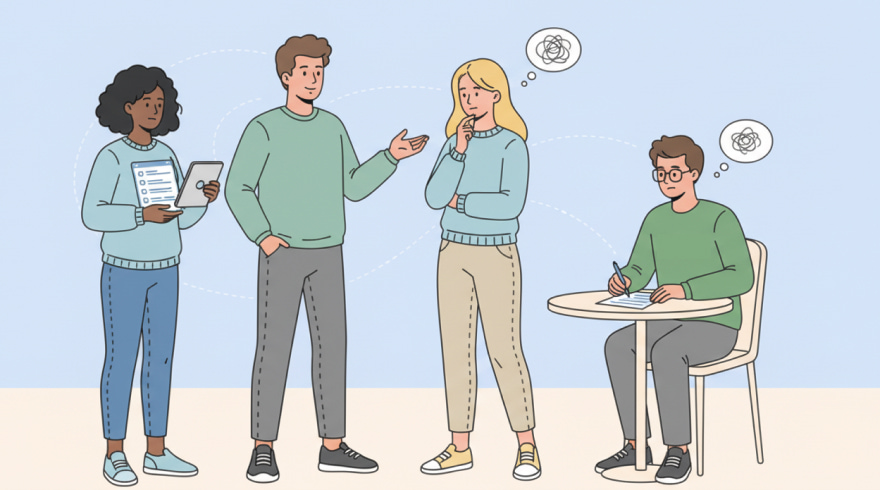
Evaluating persistent worry and tension is essential for clarifying clinical need, personalizing care, and tracking outcomes over time. Many people experience restlessness, muscle tension, and difficulty concentrating for months before seeking help, and a careful evaluation translates lived experience into measurable information. When clinicians use a structured approach, they can distinguish everyday stress responses from a diagnosable condition, consider comorbidities, and chart a rational plan that prioritizes safety and function. This process also builds therapeutic alliance, because people feel heard, validated, and guided through a transparent roadmap rather than a rushed checklist.
Good evaluations mix standardized questionnaires with open-ended interviews, collateral information, and functional metrics that capture sleep, work, and relationships. Within clinical protocols, assessment generalized anxiety disorder signals a systematic way to identify symptoms, duration, severity, and impairment while considering medical, cultural, and developmental factors that shape presentation. That balance of quantitative scales and qualitative context prevents overpathologizing everyday worries and reduces the chances of missing critical red flags, such as substance use, thyroid dysfunction, or trauma history.
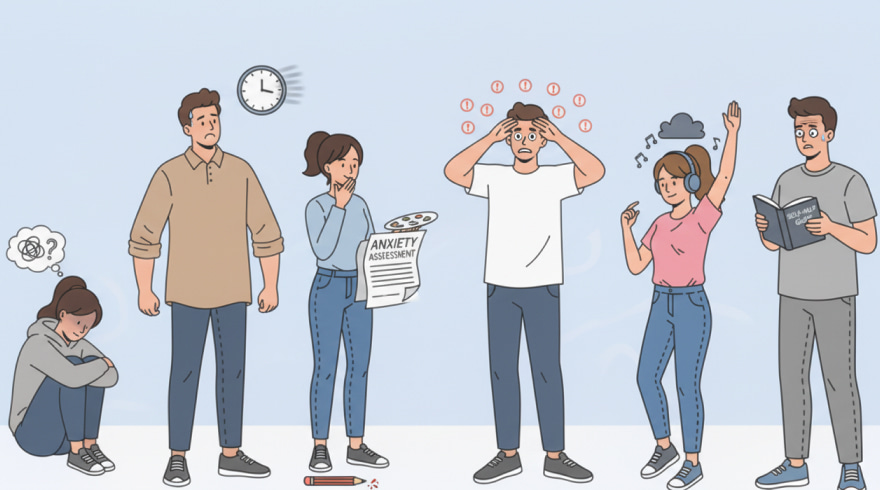
Quality improves when teams define who screens, who confirms, and how results are communicated in plain language. In multidisciplinary programs, assessment anxiety disorders follows stepped-care logic that privileges brief, validated tools first and reserves longer batteries for complex cases or research settings. Clear thresholds for when to escalate care help primary care, school counselors, and telehealth platforms collaborate efficiently while minimizing patient burden and duplication of effort.
- Clarifies whether worry is persistent, excessive, and difficult to control.
- Maps symptom impact across sleep, concentration, irritability, and fatigue.
- Flags medical contributors and medication effects needing attention.
- Aligns treatment goals with values, resources, and motivation.
- Creates a baseline for measuring real-world progress over time.
Core Instruments and How Clinicians Use Them
Reliable screening and diagnostic tools make the evaluation efficient without losing nuance. Brief questionnaires capture symptom frequency, while longer scales explore worry intensity, intolerance of uncertainty, and functional impairment. Interview frameworks go deeper by probing triggers, cognitive styles, and coping behaviors, and by considering development, culture, and health equity. Results become more informative when paired with timeline mapping, sleep diaries, and behavior logs that reveal patterns hidden in memory or hindsight bias.
| Instrument | What it captures | Typical cutoffs | Time |
|---|---|---|---|
| GAD-7 | Core worry, tension, irritability, restlessness | 5/10/15 for mild/moderate/severe | 2–3 min |
| PSWQ | Pathological worry and uncontrollability | Higher scores reflect persistent, excessive worry | 5–7 min |
| BAI | Physiological arousal and somatic symptoms | 0–7 minimal; 8–15 mild; 16–25 moderate | 5–10 min |
| PHQ-9 | Depressive symptoms for comorbidity screening | 10+ indicates clinically significant severity | 2–3 min |
| WHODAS | Function across life domains | Higher scores denote greater disability | 10–20 min |
Clinicians rarely rely on a single scale, because different measures illuminate different facets of worry and impairment. For practitioners, generalized anxiety disorder assessment blends symptom checklists with functional ratings, physical health review, and a targeted interview that explores triggers and safety. The synthesis converts numbers into meaning by showing how symptoms map onto daily routines and long-term goals, such as returning to school, improving sleep continuity, or reducing reassurance-seeking.
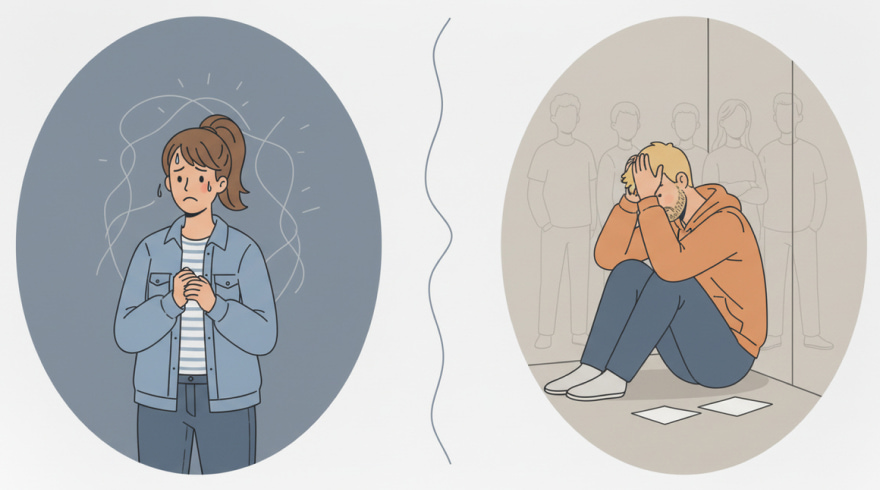
Differential diagnosis benefits from structured comparisons that separate overlapping features across multiple conditions. When diagnostic clarity is needed, assessment social anxiety disorder contrasts performance or interaction fears with the diffuse, future-oriented worry profile often seen in chronic generalized patterns. This side-by-side thinking reduces mislabeling and leads to finely tuned interventions that minimize avoidance while strengthening tolerance of uncertainty and physiological arousal.
A Stepwise Pathway From Screening to Formulation
High-quality evaluation follows a sequence: brief screen, confirmatory interview, functional mapping, and shared formulation. In comparative workups, social anxiety disorder assessment emphasizes cue-specific triggers and situational avoidance, whereas persistent worry assessment focuses on pervasiveness across contexts and days. Once the style, intensity, and interference are mapped, a collaborative summary explains how thoughts, sensations, and behaviors reinforce each other and where the easiest change levers might be.
- Start with a brief screener to flag severity and urgency.
- Follow with a focused interview that probes worry themes and control.
- Assess sleep, substance use, medical contributors, and medications.
- Evaluate impairment at home, school or work, and social domains.
- Co-create a plan linking skills practice, lifestyle shifts, and follow-up.
Formulation is where data becomes direction for care and recovery. Across primary care and specialty clinics, anxiety disorder assessment works best when feedback is delivered in everyday language with concrete next steps, including evidence-based self-help, cognitive behavioral strategies, and options for therapy or medication. A documented summary then serves as a baseline for progress reviews and relapse prevention planning.
Digital Tools, Self-Screening, and Special Contexts
Modern evaluation increasingly uses secure apps, remote questionnaires, and hybrid visits to widen access. For people exploring their symptoms before booking an appointment, anxiety disorder self assessment can catalyze insight, highlight patterns, and motivate care-seeking without replacing professional judgment. Thoughtful design matters, so the best tools include plain-language explanations, adaptive questioning, and next-step guidance that encourages informed decisions.
Technology can improve precision while shortening burden through smart branching and integrations. In digital clinics and virtual primary care, GAD anxiety assessment workflows often blend validated scales with momentary sampling that captures fluctuations across the day. These features help identify triggers in real time, provide personalized feedback, and generate summary dashboards that clinicians can review quickly during consultations.
Equity and convenience are major benefits of remote access when privacy is respected and data security is strong. When distance, stigma, or scheduling barriers limit face-to-face care, generalized anxiety disorder online assessment offers confidential entry points, instant scoring, and rapid triage to the right level of support. Done well, these pathways reduce wait times, promote early intervention, and keep people engaged between visits through brief check-ins and skills practice.
The Benefits of a Thorough Evaluation
A careful evaluation pays dividends across accuracy, engagement, and outcomes. People gain a shared understanding of why symptoms persist and which skills will ease them first, while clinicians anchor decisions in measurable baselines. Early identification reduces downstream crises, and matched care avoids overtreatment just as much as undertreatment. Employers, schools, and families also benefit when functioning improves and coping strategies generalize from sessions into everyday life.
Developmental nuance matters because adolescents experience worry differently from adults and may show irritability or school avoidance instead of verbal rumination. Within youth services and pediatric settings, generalized anxiety disorder assessment teens integrates caregiver perspectives, academic functioning, and sleep patterns to shape a realistic plan. That plan often combines psychoeducation, family involvement, and brief skills modules before more intensive options are considered.
Health systems thrive when measurement and care pathways work in sync with continuous quality improvement cycles. For population-level planning and benchmarking, general anxiety disorder assessment links standardized thresholds to stepped interventions, follow-up intervals, and outcome dashboards. This creates a feedback loop where data informs training, capacity building, and resource allocation so more people receive timely, effective support.
FAQ: Practical Questions About Evaluating Chronic Worry
How long does a typical evaluation take?
Most people complete brief screeners in a few minutes, and a focused interview can add 20–45 minutes depending on complexity. Additional time may be needed for medical review, safety planning, and shared goal setting when symptoms are severe or layered with other concerns.
Do I need lab tests or imaging as part of the process?
Lab work is usually guided by clinical suspicion, such as checking thyroid function or medication effects when indicated. Imaging is rarely necessary, and decisions are tailored to the person’s history, physical findings, and risk factors rather than used routinely.
Can self-screeners replace a professional evaluation?
Self-screeners are helpful for reflection and early insight, but they cannot deliver a diagnosis or comprehensive formulation. A clinician synthesizes context, comorbidities, and functional impact to build a targeted plan that a standalone quiz cannot provide.
What should I bring to my first appointment?
Bring a list of medications and supplements, a brief timeline of symptom changes, and notes on sleep, stressors, and coping strategies. If possible, include prior records or questionnaires so the clinician can track changes over time.
How often should progress be measured once care begins?
Brief measures every 2–4 weeks allow for timely adjustments to therapy or medication. Tracking small gains in functioning can be just as valuable as symptom scores and helps maintain momentum and motivation.
Latest News
-
![Comprehensive Guide to Evidence-Based Generalized Anxiety Evaluation]()
- 27 November, 2025
-
![Social Anxiety Test: A Comprehensive Guide to Evidence‑Based Screening]()
- 26 November, 2025
-
![Do I Have Anxiety Disorder Quiz: A Complete Guide to Smarter Self-Checks]()
- 25 November, 2025